
Many people talk about a “glass ceiling” that stops women from reaching top jobs. But for women of colour, the ceiling is not glass: it is many layers of concrete. It is heavier, harder, and built from years of unfairness. When we try to move forward, we feel the weight of history and bias pushing back. Yet still, we are expected to rise!
The Reality of the Concrete Ceiling
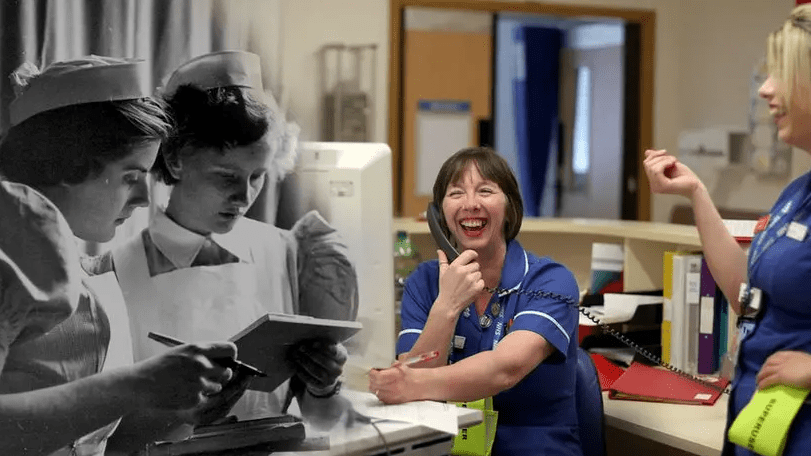
Across the UK, women of colour remain missing from senior roles in education, science, healthcare, and the pharmaceutical industry. Research from the Royal Society shows that people from minority ethnic backgrounds are held back at every stage of the STEM journey, from university to professor level.
Ethnicity Facts and Figures show that in the NHS, 25.7% of staff are from ethnic minority backgrounds, but only 11.3% reach senior management. In pharmacy, The Pharmaceutical Journal notes that 31.9% of pharmacists are women of colour, but only 24.2% reach senior grades. We are present, but we are not allowed to progress at the same pace.
In the pharmaceutical and life sciences sector, women of colour are still underrepresented in leadership roles, even though many hold middle-level positions. This is not about a lack of talent. It is about fair treatment, access to networks, and support.
The Pressure to “Accept Abuse”
Many women of colour hear the same message again and again: “If you want to move up, you must accept abuse. You need a thicker skin.” This is not advice. It is pressure. It tells us we must accept discrimination and tolerate harm to get the chances others receive without question.
The Fawcett Society found that 75% of women of colour have faced racism at work, and 27% have heard racial slurs. These are not one-off events. These are persistent patterns dismissed by senior leaders.
Recruitment often repeats the same unfairness. Senior leaders say “recruit like me”, but “me” is almost always white, middle-class, and privately educated. This is not fairness; it is copying the same type of person again and again.
Research shows that 69% of ethnic minority applicants face discrimination during job applications or at work. Even when we get the job, we are judged more harshly, watched more closely, and forgiven less often; a full stop in the wrong place is reason for reprimand. We must work twice as hard to be seen as equals, even if that costs us our well-being.
When the System Fails to Protect
When racism happens, NDAs and internal processes protect the person inflicting the discrimination, not the person who has suffered it. Many women of colour do not have savings or family wealth to fall back on, so they tolerate till they can no longer. Losing a job is not just a setback; it can put our whole lives at risk, forcing us back down the socio-economic ladder that took generations to climb. All because of a misplaced full stop.
And when we seek protection, our requests are dismissed because we are not cushioned by the same privilege.
Nearly 48% of ethnic minority victims say police treated them differently because of their ethnicity. Official inspections show racial bias in police decision-making, and national data show lower trust among minority groups in how cases are handled.
The Health and Social Toll
These inequalities affect every part of life. In maternity care, Black women in the UK are almost three times more likely to die in childbirth than white women, and Asian women are twice as likely. These problems are not accidents; they come from systems that were never built with us in mind, leading to worse health outcomes across our lives.
Being a woman of colour also means facing judgment for things others take for granted, like being single or divorced. With 90% of single parents being women, cultural pressure and stigma add another layer of unfairness to our lives.
The mental pressure is huge. A UK study found that Black women have the highest burnout rates of any group, and 47% of working women report higher stress than the year before. Census data show that ethnic minority groups already face higher rates of poor health and disability.
While others climb freely, we climb while carrying invisible injuries and the burden of generations of inequity on our backs.
Why I Stand: My Journey into Politics – And Yet still, we rise!
Every qualification I have earned, every degree, every training course, every achievement carries the weight of this struggle and trauma. I keep going because if I stop, the inequality I face today becomes the burden my daughters will carry tomorrow. And I refuse to pass that on without being that role model they so desperately need to see that ‘speaks like them, looks like them, and carries the lived experience they share’.
We push forward not only for ourselves but for future generations of working-class people, migrants, and women who deserve a Wales where opportunity is not shaped by race, class, or postcode.
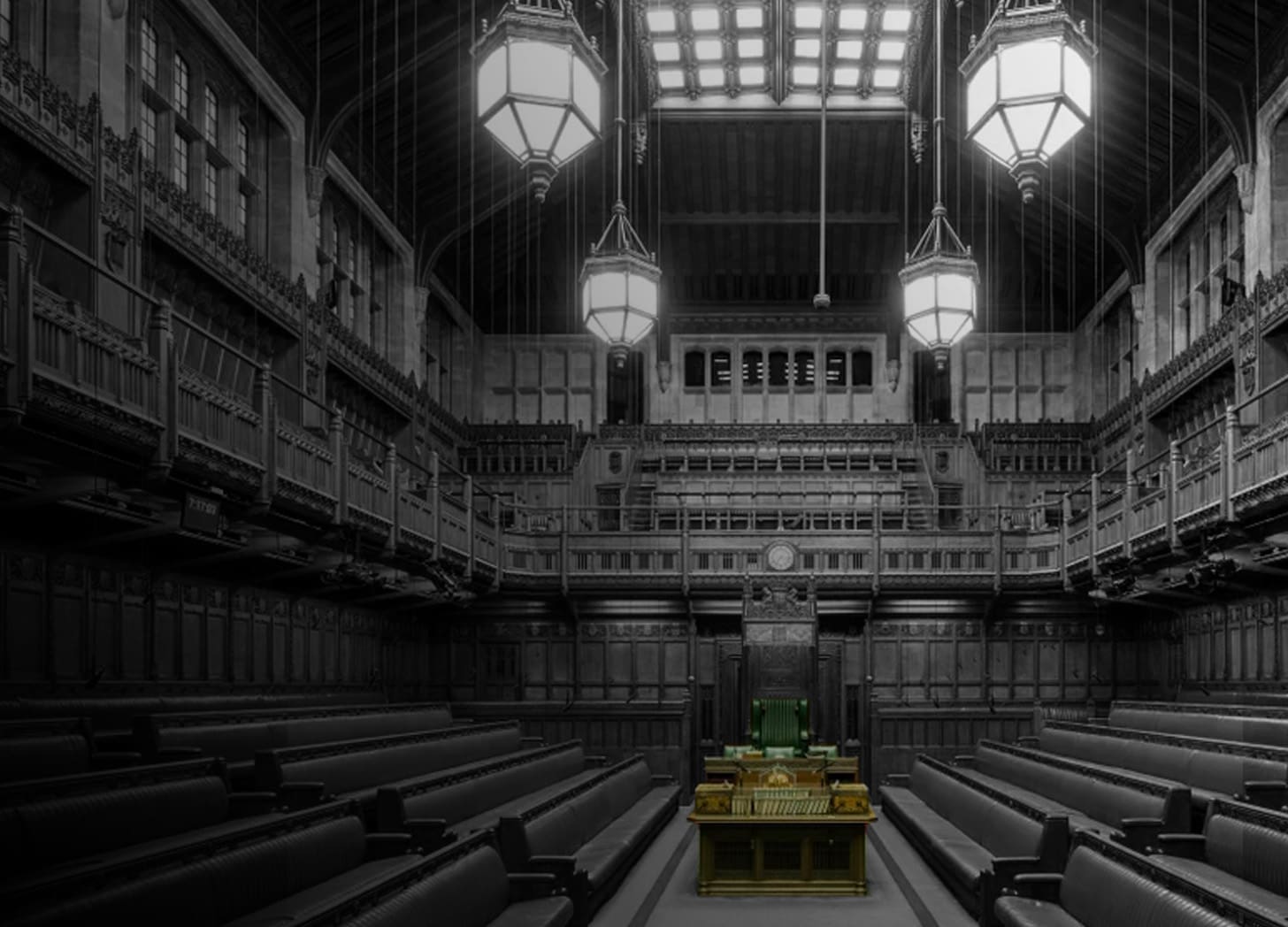
In the Welsh Parliament, where 5.2% of the population is Black, Asian or minority ethnic, only one woman of colour has ever held a seat since 1999; that’s 25 years! When the people most affected by decisions are not in the room, the system cannot claim to represent us. If our voices are not supported, if laws are not enforced, and if those who misuse power are not held accountable, then equality becomes just another symbol, and not translated into reality.
This is why more women, more ethnic minorities, working-class and precarious middle-class participants need to step forward in politics, so that politics represent the communities it was designed to serve. Open Party UK creates space for others to rise and use their voices in the right place, right at the heart of democracy. It opens the door to ordinary people, emphasising that politics need not be closed to career politicians, party membership, or the financially secure.
My own journey into politics has been full of learning moments, facing barriers, finding courage, and realising that leadership is not about being perfect, but about standing up when it matters, even if you were born an introvert!
I want other women to know they can do this too. When we mentor each other and open doors, we empower extraordinary human outcomes. In 2026, we demand real equity and inclusion in the Senedd and in Parliament, no more filtered voices, no more tokenistic gestures. We need a seat at the table where the legislation is made on our behalf.