The word infrastructure conjures physical things. Roads, railways, broadband cables, water pipes. When politicians talk about investing in infrastructure, they mean tangible assets with price tags and ribbon-cutting ceremonies. But there is another kind of infrastructure — less visible, harder to cost, impossible to photograph — that determines whether democratic life actually functions. Political infrastructure: the systems, processes, habits, and relationships through which citizens and representatives engage with each other and with power. It is poorly understood, rarely celebrated, and chronically underinvested.
The Visible and the Invisible
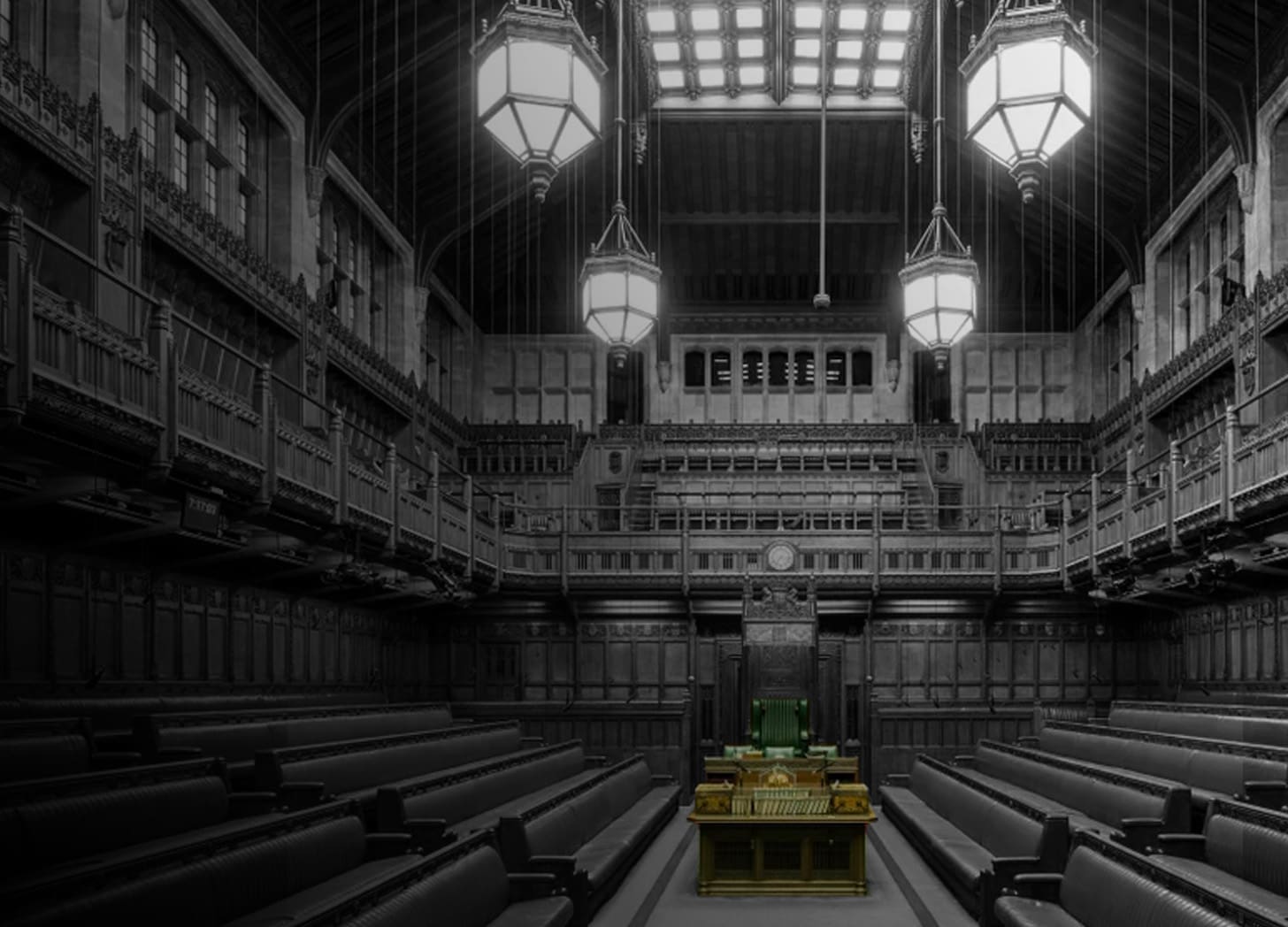
Some political infrastructure is visible enough. Parliament buildings. Council chambers. Electoral registration systems. Returning officers. These have physical form and institutional identity. They are recognised, funded, and — when they fail — reported on.
But much of what makes democracy work operates below this level. The culture of a local party branch. The habit of attending public meetings. The expectation that a representative will respond to correspondence. The unwritten norm that officials do not simply ignore inconvenient scrutiny. These are infrastructure too — perhaps more important than the visible kind, because they are what give the formal structures meaning.
When the informal infrastructure erodes, the formal structures begin to operate as theatre.
How Infrastructure Gets Built
Physical infrastructure requires deliberate investment. So does political infrastructure, though the investment looks different. It means funding civic education that is genuinely informative rather than blandly promotional. It means designing consultation processes that are accessible to people who work shifts and cannot attend a Tuesday evening meeting. It means creating accountability mechanisms with teeth — mechanisms that produce consequences when representatives ignore their constituents rather than simply generate paperwork.
It also means cultivating the less tangible elements: a press that covers local politics seriously; civic organisations with the capacity to scrutinise decisions; voters who know enough about how their institutions work to notice when something has gone wrong.
None of this arrives fully formed. It is built incrementally, through sustained attention and deliberate design.
What Neglect Produces
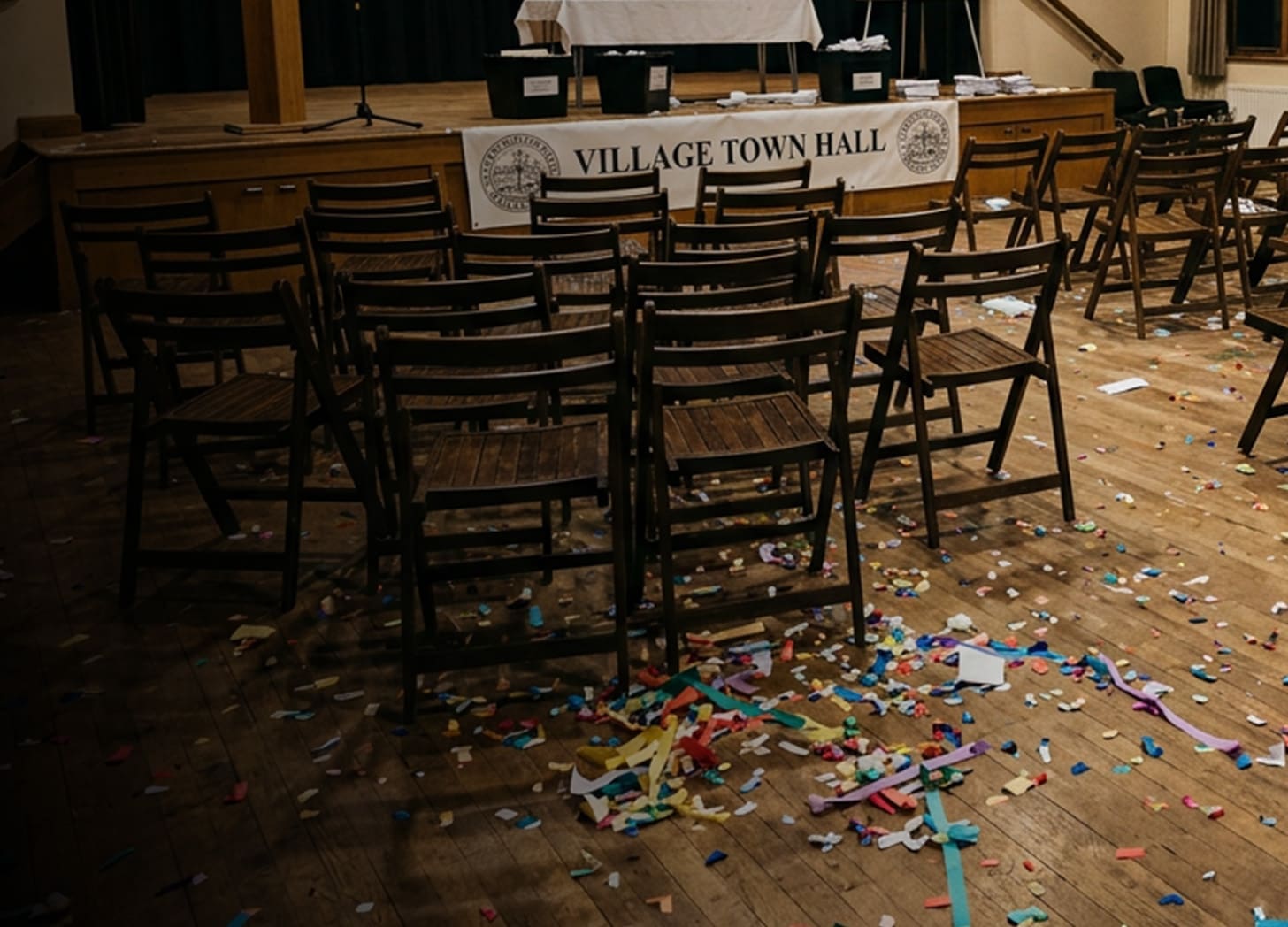
Political infrastructure that is neglected follows a predictable trajectory. Formal processes continue — meetings are held, votes are taken, announcements are made — but the substance drains away. Consultation becomes notification. Scrutiny becomes ritual. Accountability becomes a word that appears in mission statements without describing anything that actually happens.
The people who notice this first are usually those who were already paying close attention. By the time it becomes widely visible, the degradation is typically well advanced. Rebuilding trust in institutions that have become hollowed out is considerably harder than maintaining them in the first place.
This is not a hypothetical trajectory. It describes, with reasonable accuracy, the experience of a number of British democratic institutions over the past two decades.
The Open Party as an Infrastructure Project
It is possible to read the Open Party’s entire project as an infrastructure argument. Open primaries are infrastructure: they are a mechanism for connecting the wider public to candidate selection in a way that the current system does not provide. Freedom from party whips is infrastructure: it creates the conditions for genuine accountability between representative and constituent. Transparent internal rules are infrastructure: they make the operation of a political organisation visible and therefore contestable.
These are not policy positions in the conventional sense. They are design choices about how democratic systems should be built and maintained. The argument is that better infrastructure produces better democracy — not automatically, and not without the people willing to use it, but as a necessary precondition for the rest.
Building What Democracy Needs
Political infrastructure does not sustain itself any more than a road does. It requires investment, attention, and a shared understanding of why it matters. The temptation in democratic politics is always to focus on the immediate — the election, the policy announcement, the current crisis — at the expense of the structural. But the structure is where the long game is won or lost.
A democracy with a strong political infrastructure can weather bad governments, recover from poor decisions, and self-correct over time. One without it cannot. Building that infrastructure — unglamorously, incrementally, without much applause — is among the most important things a political movement can commit to doing. It is also, in the end, what serious democratic politics looks like.