For many young people today, the future feels like a corridor with the lights turned off.
For me, this is close to home. I have two daughters who do not expect to ever become homeowners—only long-term renters, beholden to landlords. They are saddled with university debt, and the realistic ambition of ever owning their own home feels like exactly that: an ambition, rather than an expectation.
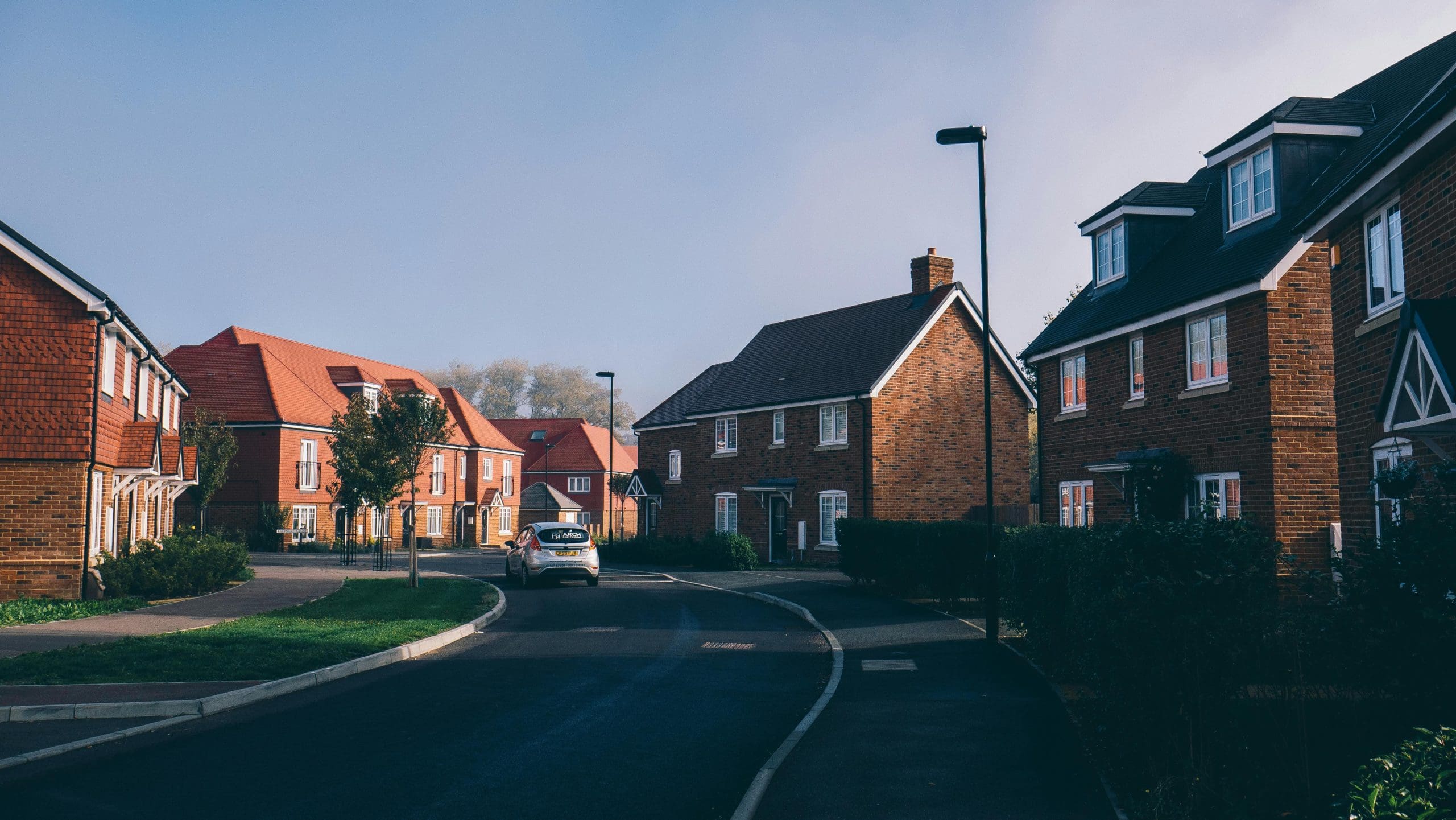
Home ownership, once a realistic aspiration for working people, has become a distant fantasy. Wages have stagnated, house prices have soared, and rents consume an ever-larger share of income. The result is a generation trapped: unable to buy, unable to save, and permanently paying interest to banks and landlords.
This Didn’t Happen by Accident
This isn’t accidental. It’s the product of decades of political choices that prioritised asset inflation over productive growth. Homes stopped being places to live and became financial instruments. Consequently, those who already owned property benefited enormously, while those who didn’t were left behind.
This shift from housing as shelter to housing as an investment vehicle has hollowed out the middle class and created an insurmountable barrier for the youth.
The Moral Failure: A Social Contract Torn Up
What angers me most is the moral failure at the heart of this. We tell young people to work hard, study, and contribute—and then we load them with debt, insecure work, and eye-watering housing costs. The social contract has been quietly torn up.
A society that denies its young people stability denies itself a future. This manifests in delayed families, declining birth rates, and worsening mental health; these are not personal failings, but rather the structural outcomes of deliberate policy choices.
Who Profits From the Housing Crisis?
The banks and financial institutions do very well out of this system. Lifelong mortgages, endless interest payments, and rent extraction are enormously profitable for those at the top.
Meanwhile, politicians continue to tinker at the edges while refusing to confront the fundamentals: land value, planning reform, social housing, and rent regulation. By avoiding these core issues, they protect the “triple lock” of property wealth while the foundations of the youth’s future crumble.
What Needs to Change: Fairness Over Speculation
We need a housing policy rooted in fairness, not speculation. That means building genuinely affordable homes, protecting renters with long-term security, and breaking the stranglehold of property as a wealth-extraction machine.
Hope is not an abstract concept. It is built through stable jobs, secure housing, and a sense that effort will be rewarded. Right now, too many young people quite reasonably feel that the game is rigged.
They’re not wrong.
It is time to be the change.