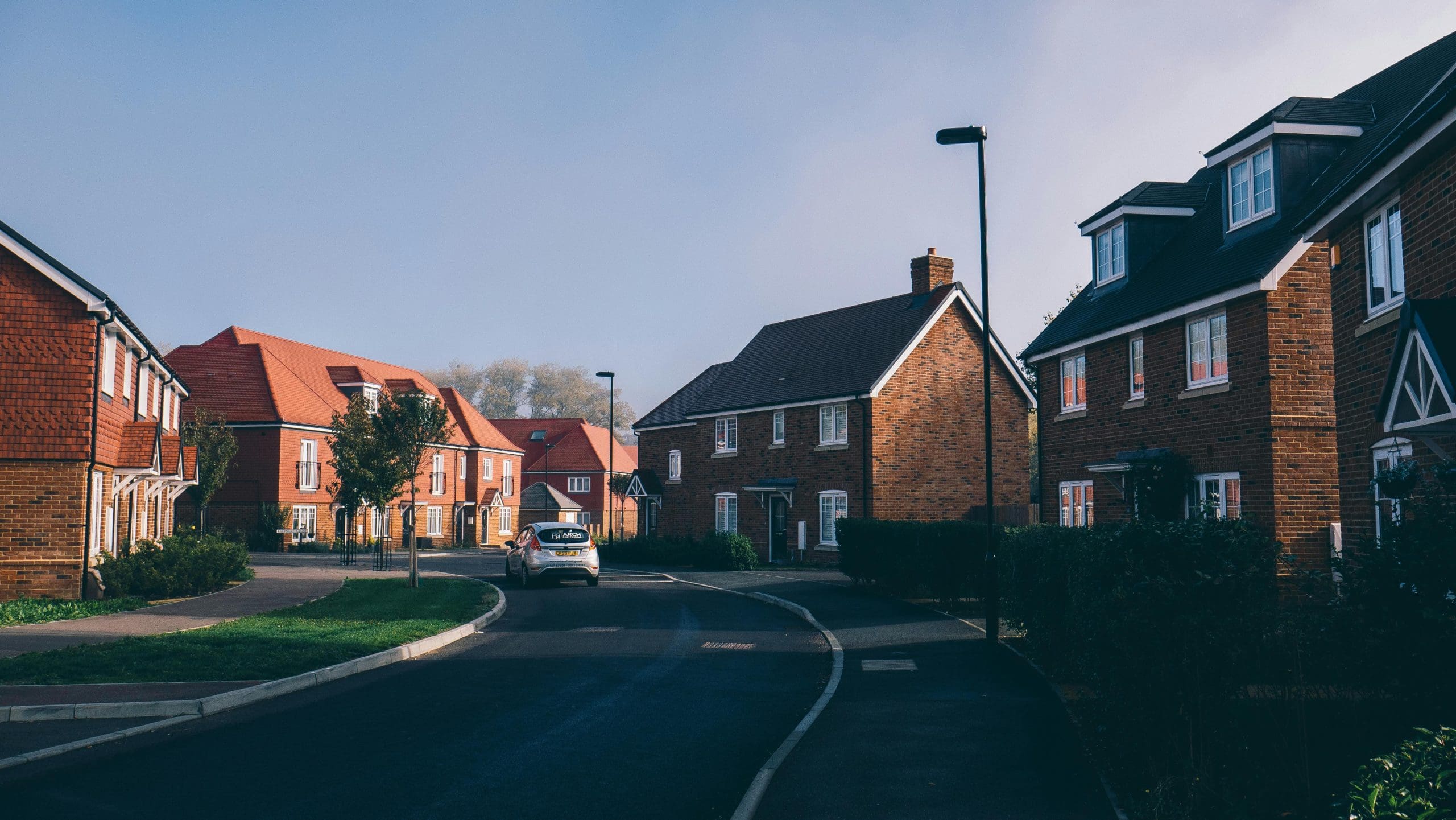
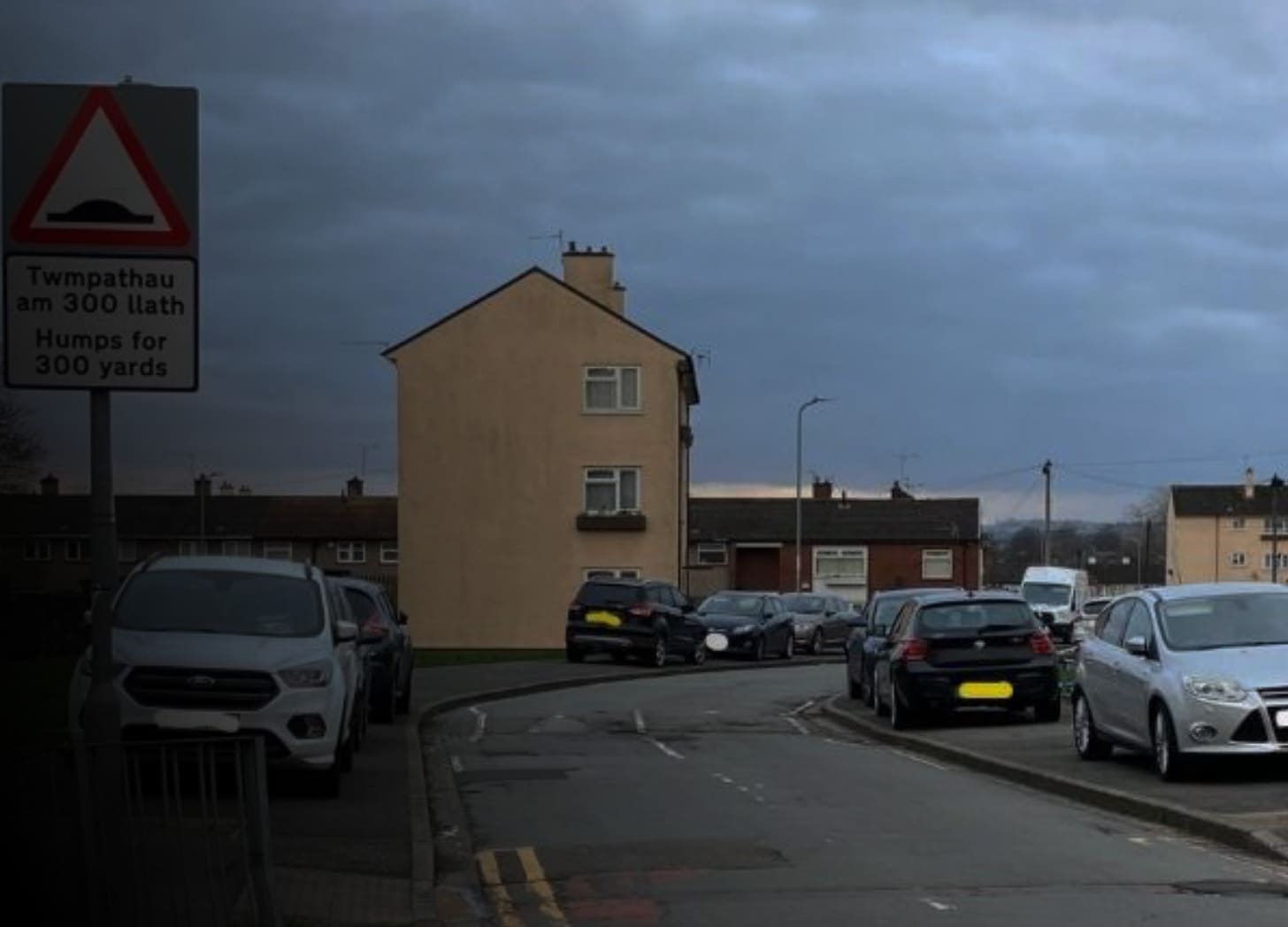
Across the country, pavement parking has quietly become one of the most disruptive — and most ignored — issues in residential communities. Blocked pavements make daily life genuinely dangerous for wheelchair users, visually impaired people relying on guide dogs, parents with prams, and children trying to cross the road safely. Yet local authorities continue to look the other way.
This is not simply an issue of inconsiderate drivers. It is a symptom of a much deeper failure in planning and infrastructure — and it demands real solutions.
Why Is Pavement Parking Getting Worse?
The problem has grown significantly in recent years, driven by three compounding pressures:
- Rising vehicle ownership means more cars competing for the same finite street space.
- The explosion in delivery traffic, as online shopping sends vans into residential streets at unprecedented frequency.
- Declining residential parking provision, as new housing developments are increasingly built without adequate off-street parking — often on the assumption that residents will use public transport or simply walk.
That final assumption is where much of the frustration lies. The idea that people should give up their cars and use public transport is not wrong in principle — but in practice, we are simply not there yet. Public transport provision across much of the country remains inadequate, unreliable, or unaffordable for many households. Telling residents to “just use the bus” is not a policy; it is an abdication of responsibility.
The Reality on the Ground: A Local Case Study
In the community of Alway, Newport, the scale of the problem is stark. The road featured in this article contains 121 residential properties — yet current safe parking capacity stands at just 16 vehicles. That is roughly one space for every eight homes.
The inevitable result? Residents park on the pavement. Not out of selfishness, but out of necessity. There is nowhere else to go.
This is the reality that local authorities must confront, rather than retreating to the comfort of policy platitudes.
Three Practical Solutions Worth Considering
Rather than simply raising the problem, I want to offer concrete options for debate. None of these is presented as a perfect answer — but all of them represent more honest engagement with the issue than the current policy of inaction.
Option A: One-Way Traffic with Single-Side Parking
Convert the road to one-way and permit parking on one side only.
- Cost: Minimal — largely signage and road markings.
- Benefit: Creates an estimated 39 additional parking spaces.
- Trade-off: Partial improvement; pavement obstruction remains a risk.
Option B: One-Way Traffic with Legal Pavement Parking
Convert the road to one-way, permit parking on one side, and formally designate one side of the road for legal vehicle parking.
- Cost: Minimal.
- Benefit: Creates an estimated 77 additional parking spaces.
- Trade-off: Reduces pedestrian pavement space, requiring careful safety assessment. Currently, pavement parking is banned in London and under review elsewhere in England — any such scheme would need to comply with forthcoming national legislation.
Option C: Pavement Setback and Grasscrete Parking Bays (Recommended for Further Exploration)
Redesign the street by setting pavements further back and replacing sections of grass verge with Grasscrete — a permeable, load-bearing surface that allows vehicles to park without damaging green space. Existing road parking would be repurposed for visitors and delivery vehicles, whilst two-way traffic and a safe pedestrian walkway are maintained.
- Cost: Modest capital outlay — significantly offset by revenue from resident parking permits and allocated bay charges.
- Benefit: Creates an estimated 92 additional spaces whilst improving pedestrian safety and maintaining green character.
- Trade-off: Requires planning, coordination, and an initial funding commitment.
Time for a Grown-Up Conversation
The pavement parking problem will not solve itself. It will worsen as vehicle numbers grow, delivery traffic intensifies, and new housing continues to be built without adequate parking provision.
Local authorities cannot keep dismissing this as drivers’ bad behaviour, whilst simultaneously failing to provide anywhere for those drivers to go. Independent candidates and community voices must push for practical, place-based solutions — because the residents living with this problem every day deserve better than a shrug.
The options above are a starting point. The conversation starts here.