Boundary changes rarely generate much public enthusiasm. They are technical exercises, conducted by committees, reported in small print. But the reforms reshaping the Senedd ahead of the 2026 Welsh Parliament elections are something more than administrative tidying. Wales is moving to a significantly expanded chamber, elected under a new system, in redrawn constituencies. That combination — new boundaries, new method, new scale — creates something genuinely unusual in democratic politics: a moment where the slate is not quite clean, but is considerably cleaner than normal.
What Is Actually Changing
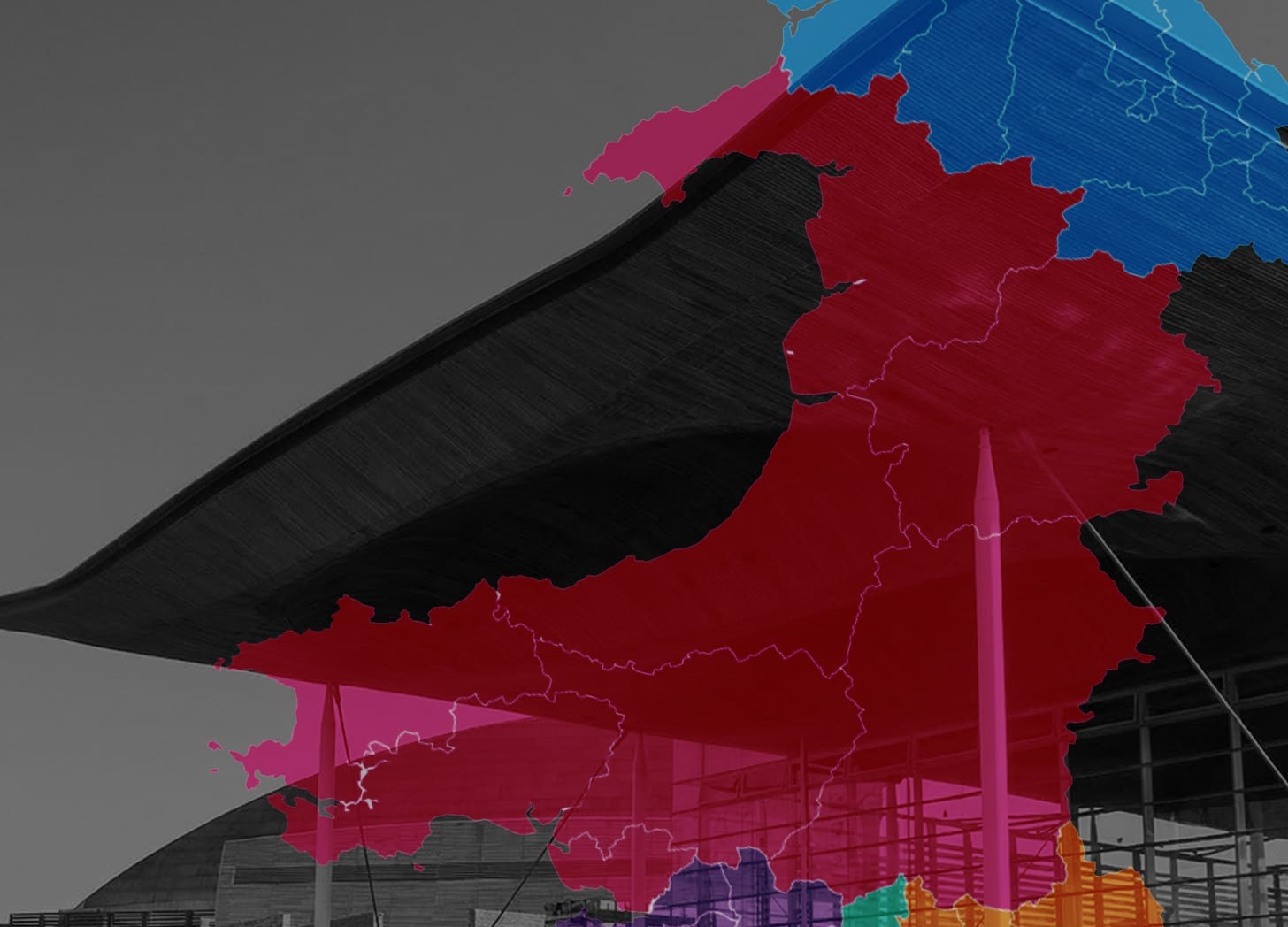
The Senedd is expanding from 60 to 96 members, elected under a closed list proportional system across 16 larger constituencies, each returning six members. The previous first-past-the-post element is gone. The boundaries themselves are new.
This is a substantial structural change. It alters how votes translate into seats, how constituencies relate to communities, and how many representatives’ Welsh voters will have access to.
Whether those changes improve democratic representation depends less on the mechanics than on how politicians, parties, and voters choose to inhabit the new system.
The Opportunity in Disruption
Established political systems accumulate habits. Representatives develop relationships with their patches. Parties build local structures around existing boundaries. Voters form attachments, however loose, to particular representatives. Boundary changes disrupt all of this, which is usually experienced as a problem.
It can also be an opportunity. New constituencies mean new conversations about what those places are, who represents them, and what representation should look like. Communities that felt peripheral in old boundaries may find themselves more central in new ones. Representatives who relied on incumbency rather than engagement face a more open field.
Disruption, handled well, can reset relationships between voters and representatives in ways that are genuinely healthy.
The Closed List Problem
The shift to a closed list system deserves scrutiny alongside the optimism. Under this model, parties — not voters — determine the order in which candidates appear on the list, and therefore which candidates are most likely to be elected.
That is a significant concentration of power within party structures. It is, in some respects, the opposite of what the Open Party advocates: rather than expanding voter choice in candidate selection, it narrows it. Voters choose parties; parties choose representatives.
This tension is worth naming clearly. Proportional representation can produce fairer outcomes in terms of vote share. It does not automatically produce more accountable or more accessible representatives.
What Reset Actually Requires
A genuine democratic reset requires more than redrawing lines on a map. It requires candidates who treat new constituencies as invitations to listen, not just to campaign. It requires parties willing to select candidates who reflect the communities they will serve. And it requires voters who see the disruption as an opening rather than an inconvenience.
The Open Party‘s open primary model is particularly well-suited to this kind of moment. When everything else is new, the question of who should represent a place is genuinely open. Putting that question to the wider public — rather than resolving it in a party selection meeting — seems not just defensible but obviously right.
A Window That Will Not Stay Open
Boundary changes of this scale happen rarely. The 2026 Senedd elections represent a genuine inflection point for Welsh democracy — a chance to establish new habits, new relationships, and new expectations between representatives and the people they serve. Windows like this do not stay open. The question for Welsh politics is not simply who wins the new seats, but what kind of representation those seats are used to build.