

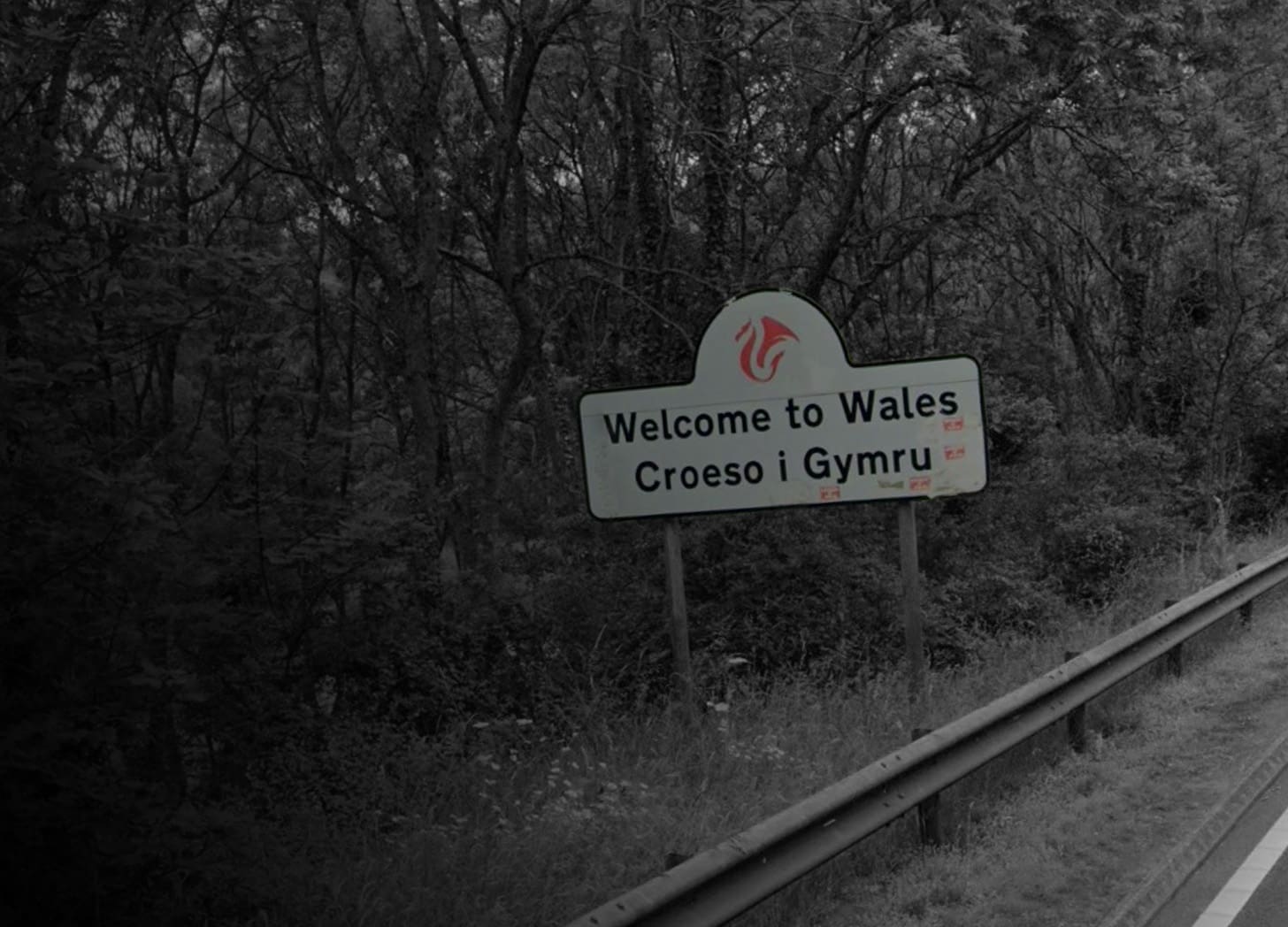
Wales has pursued the promotion of the Welsh language with unusual legislative consistency. From the 1993 Welsh Language Act to the 2016 Standards legislation, from compulsory Welsh in schools to public sector employment requirements, successive governments have treated the language’s survival and growth as a core policy objective. The Welsh Government’s declared commitment is absolute. The question — asked rarely and answered even less often — is what four decades of that commitment have actually produced?
What the Evidence Shows
The headline figures are not encouraging for supporters of the current policy. The 2011 Census recorded Welsh speakers at 19 per cent of the population, down from 20.9 per cent in 2001. The 2021 Census recorded a further fall of approximately 13 per cent in the number of fluent speakers. These are the numbers against which policy must ultimately be judged.
Academic Welsh at A-level tells a similar story. In the decade to 2018, second-language Welsh A-level entries fell from 489 to 216. First-language entries dropped from 304 to 231 over the same period. These are not marginal fluctuations. They represent a sustained decline in formal engagement with the language among young people, occurring precisely during the period of most intensive policy intervention.
Usage data from public services adds a further dimension. When National Savings and Investments sought to close its Welsh-language service in 2013, it reported usage by 0.007 per cent of its customers. HSBC closed its Welsh-language helpline in 2023 after usage of 0.012 per cent. S4C, established in 1982 and publicly funded, attracts approximately 1.5 per cent of Welsh viewers. These figures do not suggest a language in active everyday use across the population that policy assumes.
The Education Question
Wales’s educational performance has been a source of sustained concern, independent of language policy. The Programme for International Student Assessment reported in 2013 that Wales was going backwards across core subjects. Its 2023 assessment placed Welsh schools below the UK average and below the international average. The Institute for Fiscal Studies concluded in 2024 that Welsh Government policy had contributed to a decline in children’s attainment, and that continuing on the same trajectory was unlikely to improve matters. Estyn, the school inspectorate, raised concerns about mathematics standards as recently as 2025.
Whether Welsh language requirements in the curriculum contribute to these outcomes, or are unrelated to them, is a question the evidence does not definitively settle. What is clear is that the coexistence of intensive language promotion and sustained educational underperformance deserves more rigorous examination than it has received.
The Case for the Policy
Proponents of Welsh language promotion make arguments that go beyond the utilitarian. Language, on this view, is not merely a communication tool to be assessed by service usage statistics. It is a carrier of cultural identity, community continuity, and historical memory. The loss of a language is, on this argument, an irreversible impoverishment regardless of how many people actively use a helpline.
There is also an economic argument, made with varying degrees of rigour: that Welsh-language skills carry value in specific employment sectors, particularly in public services, education, and media in Wales, and that cultivating a bilingual workforce serves long-term economic interests.
These arguments deserve engagement. But they also require scrutiny. Cultural value is real; it does not automatically justify any particular policy instrument or level of resource allocation. The question is not whether Welsh matters but whether current policy is the most effective way of sustaining it — and whether the costs, including opportunity costs in education and public administration, are proportionate to the outcomes being achieved.
Questions Worth Asking
The Welsh Government’s commitment to the language is not in doubt. What is less clear is whether that commitment is accompanied by an honest evaluation of what is working and what is not.
A language policy that has operated for forty years, at considerable public expense, against a backdrop of declining speaker numbers, falling academic take-up, and minimal usage of mandated services, is a policy that warrants serious independent review — not to abandon the objective, but to assess whether the methods are fit for purpose.
The 2026 Senedd elections, conducted under new boundaries and with a significantly expanded chamber, offer a moment to ask that question openly. It is one that Welsh voters, whatever their view on the language itself, have a reasonable interest in seeing answered.