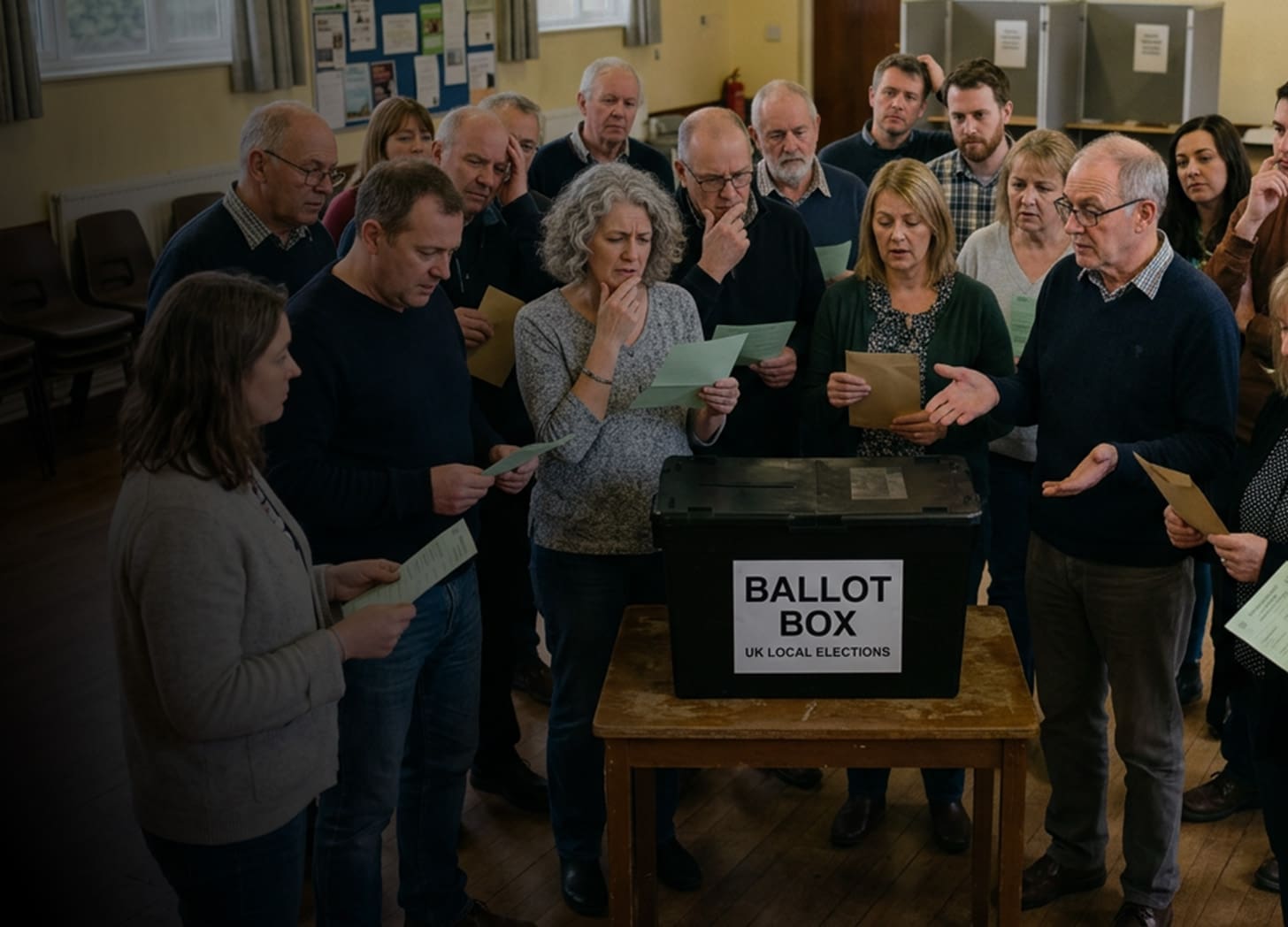
In 2024, the Senedd in Wales voted for a new electoral system. The mixed system that served Wales since 1999 was thrown out. The first part of this mixed system was 40 constituency members of the Senedd (MSs) elected on a first past the post basis – the same system that operates in the UK elections for Westminster. The second part was 20 members elected for regions on a proportional representation (PR) system.
Changes for the 2026 Senedd Elections
The new system being rolled out for the 2026 Senedd elections replaces this. This sees the number of constituencies drop to 18, and each of these “super constituencies” elects 6 MSs each through a closed party list. The electorate votes for a party (not a candidate) and then each party gets candidates elected on the basis of their share of the vote. So, if a party had 50% of the vote, it would get 3 of its candidates elected.
Which candidates get elected is up to the party. They rank them on a closed list in any manner of their choosing. The number of MSs rises from 60 to a whopping 96.
The Flaws in the New Voting Model
So what’s good about this new system? Well, it’s proportionally representative. So that’s a tick. But that’s about it. Everything else about it is counterproductive to good representation.
Huge super constituencies have been created. These have no geographical cohesion; they are unrelated areas sandwiched together.
They are so enormous that no MS could hope to understand and get to know their constituency. How can anyone represent a constituency of over 100,000 people that is too big to be familiar with?
With each super constituency having 6 candidates, there is no relationship between constituent and representative. Which MS does one go to with a problem? Does one take it in turns? Turn up at the MS with the nearest office? It makes no sense.
A Crisis of Accountability
Accountability is important in any role. If a constituent has six MSs, there is not going to be any accountability. Who does one praise when something good happens? Who does one criticise when the contrary? Only 44% of us can currently name our MS. What is it going to be like when there are six to remember!
This system has been set up from a party political perspective to address inaccuracies in party representation. The obsession with proportional representation has forgone the far more important objective of good representation.
The Open Party’s Vision: Accurate Representation
The Open Party believes in accurate representation, not proportional representation. We provide bespoke candidates chosen by the public, reflecting the concerns and wishes of each different area. Through our primary elections, a best fit for the constituency is found, not a perfect fit for just some. Reflecting constituencies accurately through bespoke candidates removes even the need for PR. It doesn’t need to be proportional because there is a spectrum of representation across the country already. Each candidate reflects the views of that constituency.
No relationship between constituent and elector, six MSs per constituency, constituencies that take 2 hours to cross. It is an absolutely daft idea that will damage support for the Senedd. Fortunately, there is to be a review after the 2026 election. Let’s hope that this new system disappears as quickly as it came.